Beautiful Plants For Your Interior
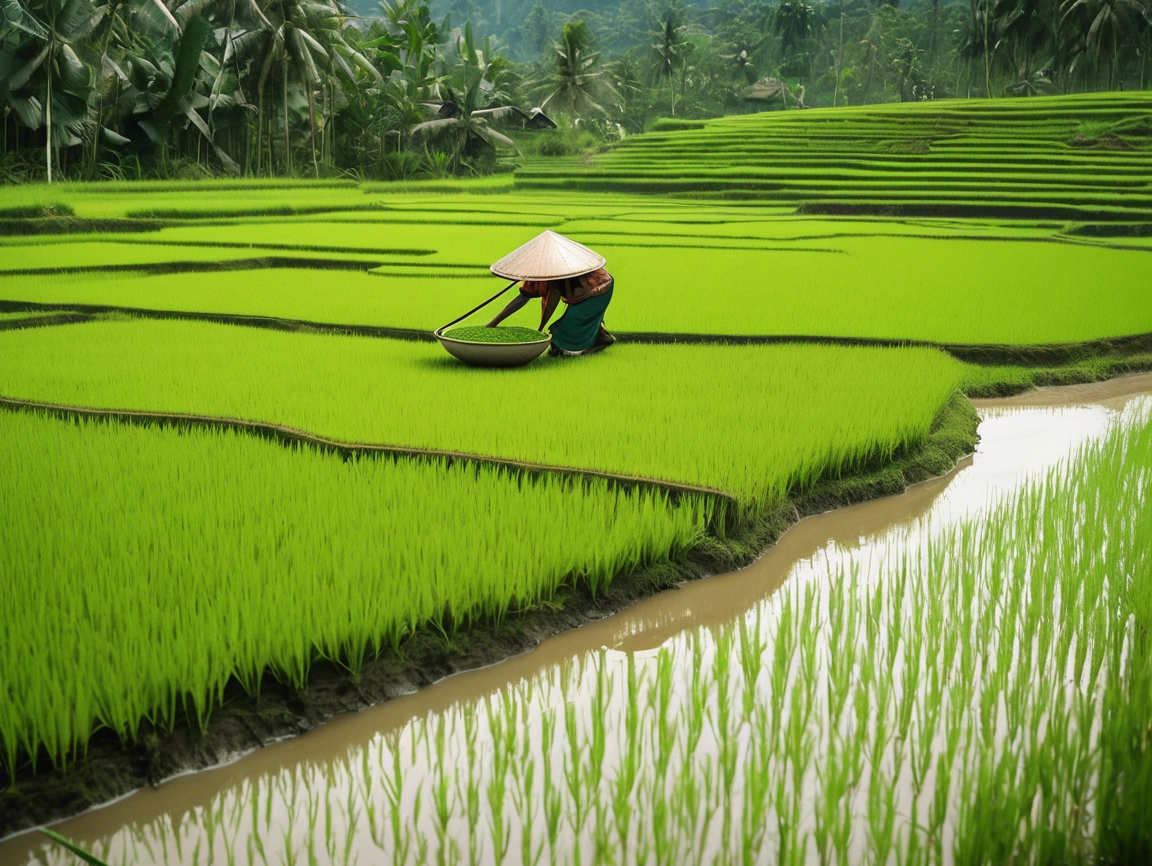
How to Grow Rice – A Farmer’s Guide from Field to Plate
Rice is more than just food – it is life for millions of farmers and families around the world. In India, rice is deeply tied to culture, tradition, and livelihoods. At MALOTIA, we celebrate the farmers who dedicate their lives to cultivating every grain with care.
If you’ve ever wondered how rice grows – from tiny seeds to the steaming bowl on your plate – here’s a complete guide that takes you through the journey step by step.
Rice is a crop that loves water. It thrives best in warm, humid climates with plenty of rainfall. Farmers select flat lands with good water-holding capacity, such as clayey or loamy soil. In India, rice is mostly grown in monsoon-fed areas where natural rains help in irrigation.
Ideal Conditions for Rice Farming:
Healthy seeds are the foundation of a good crop. Farmers carefully select certified, disease-resistant rice seeds for high yield. Before sowing, seeds are soaked in water for 24 hours and then sprouted for another 24 hours to improve germination.
Some farmers also treat seeds with organic solutions or bio-fertilizers to protect them against pests and diseases.
To grow rice successfully, the land must be prepared well. Farmers plough the fields and level them for uniform water distribution. Water is then flooded into the field to create a soft, muddy surface – this process is called puddling.
Puddling not only prepares the soil but also controls weeds and helps young rice plants take root easily.
Rice can be grown in two ways:
Transplanting is the most common method, as it allows better crop management and higher yields. Farmers carefully plant the seedlings in rows, ensuring proper spacing for growth.
Water is the lifeline of rice. Unlike many crops, rice grows best in standing water. Fields are kept flooded with about 2–5 cm of water during most of the growing season. This prevents weed growth and supports healthy plant development.
As the crop matures, water levels are gradually reduced to prepare for harvesting.
To ensure healthy growth, farmers use a combination of organic manure and fertilizers. Nitrogen, phosphorus, and potassium are the key nutrients required for strong rice plants.
Weeding and pest control are also essential. Many farmers now prefer eco-friendly methods like bio-pesticides, natural compost, and crop rotation to keep the soil fertile and the crop chemical-free.
After about 60–70 days, the rice plants begin to flower. Tiny grains start forming inside the panicles. This is the most crucial stage, and farmers take extra care to maintain water levels and protect the crop from pests.
When the grains turn golden yellow and the moisture level in the crop reduces, it is time for harvesting. Traditionally, harvesting was done by sickles, but now many farmers use modern harvesters for efficiency.
The harvested crop is then threshed to separate the grains from the stalks.
Freshly harvested rice contains moisture and must be dried under the sun to prevent spoilage. Once dried, the grains are stored in clean, dry warehouses or silos. Proper storage ensures that rice retains its aroma, taste, and nutrition until it reaches your kitchen.
The journey of rice is long but beautiful – from seed selection and transplanting to harvesting and packaging. Every grain is the result of months of hard work, patience, and love from farmers.
At MALOTIA, we honor this journey by delivering rice that preserves its purity, aroma, and nutrition, straight from the fields to your home.